
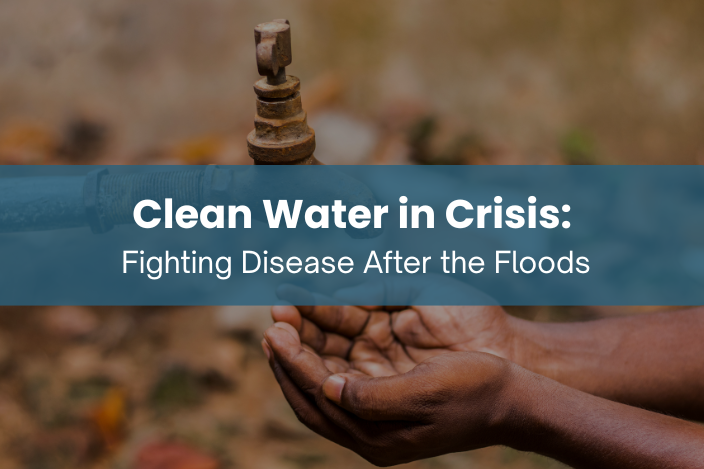
Clean Water in Crisis: Fighting Disease After the Floods
Introduction
When floods strike, the danger doesn’t end with the water. Contaminated water sources, destroyed sanitation systems, and displaced populations create the perfect storm for waterborne diseases. The James Iqbal Foundation plays a critical role in protecting lives by delivering clean water, promoting hygiene, and preventing the spread of deadly infections.
This blog explores the public health threats following floods and how the James Iqbal Relief and Peace Foundation steps in with practical, life-saving solutions.
What is the James Iqbal Relief and Peace Foundation?
The James Iqbal Foundation is a non-governmental, non-profit organization dedicated to humanitarian relief, health support, education, peacebuilding, and community development. Its mission is grounded in compassion and action reaching vulnerable communities across Pakistan with timely and meaningful support.
Why Clean Water Matters After Floods
Floods often contaminate drinking water with sewage, chemicals, and debris. This leads to outbreaks of cholera, typhoid, dysentery, and other dangerous diseases especially in children and the elderly.
Without access to safe water and sanitation, the most basic human right health is under threat. After every major flood in Pakistan, tens of thousands of diarrheal cases are reported within days. Clean water isn’t a luxury; it’s survival.
How the James Iqbal Relief and Peace Foundation Works
Emergency Water Provision
The Foundation distributes safe drinking water and water purification supplies to flood-hit communities. This includes bottled water, purification tablets, and chlorination stations, ensuring families don’t have to rely on contaminated sources.
Mobile Health Clinics and Disease Prevention
Flood survivors face disproportionate risks of infections. The Foundation deploys mobile health units that provide treatment for waterborne illnesses and offer health screenings and first aid services. These clinics are critical in regions where local healthcare systems are overwhelmed or destroyed.
Hygiene Education and Outreach
In crowded shelters and temporary camps, hygiene can make the difference between health and outbreak. The Foundation conducts hygiene promotion campaigns, teaching proper handwashing, safe water storage, and sanitary practices to limit the spread of disease.
Repairing Water and Sanitation Infrastructure
Beyond emergency aid, the Foundation works to restore damaged wells, latrines, and community water systems. These long-term efforts prevent future outbreaks and reduce vulnerability in disaster-prone regions.
Monitoring and Adapting
The Foundation uses local data and community feedback to monitor disease patterns and adapt its services accordingly making sure that help reaches those who need it most, when they need it most.
Common Questions or Misconceptions
1.How does the Foundation use donations?
Every donation supports water purification, health services, and infrastructure repair in flood-affected areas. The Foundation publishes regular updates on how resources are used. Learn more at the official website.
2.Is it focused only on one region?
No. While it prioritizes the most affected areas, the Foundation’s reach extends across Pakistan where needs are greatest.
3.What makes this Foundation different?
The James Iqbal Foundation provides holistic, people first solutions combining emergency response with long-term resilience. It's not just about reacting to crises but building stronger, safer communities.
4.How transparent is the organization?
Transparency is central to its mission. Donors and partners receive clear updates, and you can always contact the Foundation directly for more information.
Conclusion
“Clean Water in Crisis: Fighting Disease After the Floods” underscores a vital truth: safe water is both immediate relief and future protection. The James Iqbal Foundation serves as a beacon of restoration combating disease, rebuilding systems, and nurturing community resilience.
By acting today whether by donating, volunteering, or spreading awareness you join a movement that transforms crisis into recovery, one drop of clean water at a time. Explore our previous stories or get involved today.